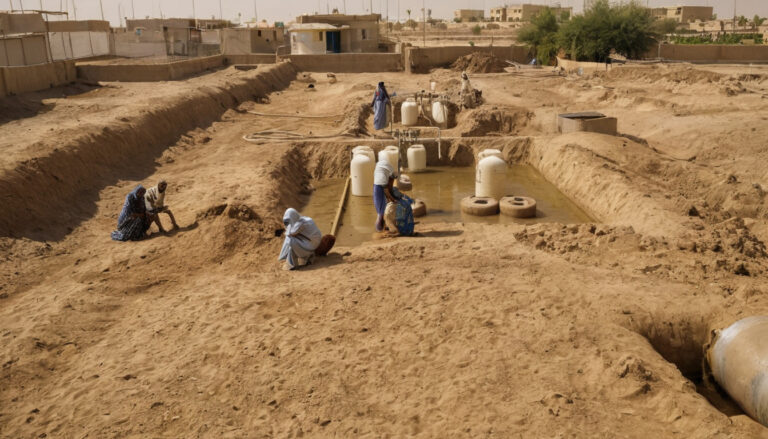
The villa’s biggest water conservation decision is rarely shorter showers; it is what the owner specifies before demolition, procurement, irrigation trenches, and landscape planting lock the home into years of water use.
Which water conservation decisions matter most before a Dubai villa renovation?
Water conservation belongs in the renovation brief before the contractor prices fixtures, MEP changes, garden works, and handover duties.
| Decision point | Why it matters before renovation | Specification to request |
|---|---|---|
| Bathroom, kitchen, and utility fixtures | Fixtures become daily-use assets in a family residence, rental property, holiday home, or luxury upgrade. | Flow rates, flush volumes, pressure range, aerator type, spare-part access, and cleaning practicality. |
| Irrigation and planting | Outdoor water demand can be designed into the villa through lawns, exposed planting beds, and poor zoning. | Separate irrigation zones, drip lines where suitable, controller settings, filters, pressure regulation, and plant groupings by water need. |
| Leak control | Concealed pipework, tanks, pumps, WC cisterns, and irrigation lines can waste water before the owner sees visible damage. | Isolation valves, accessible inspection points, pressure testing, leak sensors, and a handover map of shutoff locations. |
| Approvals and community rules | Freehold villa communities, gated communities, and master-developer areas may restrict excavation, drainage changes, exterior works, and landscape alterations. | Check the authority, developer, and community-management requirements before finalising exterior irrigation or service modifications. |
The renovation water conservation hierarchy is fixtures first, irrigation second, leaks always
A Dubai villa owner, landlord, or buyer renovating in 2026 should treat water conservation as a specification hierarchy. Start with permanent indoor fixtures because taps, showers, WCs, bidet sprays, dishwashers, washing machines, and pressure controls affect every occupant. Then address irrigation because Dubai outdoor design can turn a small garden into a constant operating cost. Keep leak control active throughout because one hidden fault can defeat both decisions.
Dubai billing adds a practical reason to plan early. Dubai Executive Council Resolution No. (16) of 2011 approved electricity and water consumption tariffs in the emirate according to attached schedules. The exact bill depends on the customer category, consumption, and applicable charges, so renovation decisions should reduce avoidable volume rather than chase a single assumed bill figure.
Fixture selection should not stop at a low-flow label. General residential conservation guidance links efficient appliances and fixtures with lower household water use, while also identifying leak repair as a major conservation action in homes. For a Dubai villa, the useful version is a room-by-room fixture schedule that the contractor must price, procure, install, test, and hand over.
Water resources planning should be part of the villa scope, not an afterthought
Dubai Municipality gives water conservation a regulatory context, not only a lifestyle context. Dubai Municipality states that Dubai Green Building Regulations and Specifications were issued in 2010, first as a mandatory requirement for new government buildings and later for all building types. Dubai Municipality also states that Al Sa’fat was approved in 2016 as a green building rating system, with an electronic second edition dated January 2023.
That context matters even where a private villa renovation is not a new-build rating exercise. The owner still needs a buildable water specification: fixture performance, irrigation zoning, plant selection, accessible valves, pump-room access, tank maintenance, and clear responsibility after handover. Water resources planning also protects design intent. A shaded courtyard with restrained planting, well-zoned drip irrigation, and accessible isolation valves usually ages better than a decorative lawn that needs constant correction.
Renovation sequencing adds one more discipline. If waterproofing, finishes, cabinetry, and mechanical works proceed together, the team should protect both moisture control and indoor air quality. The U.S. Environmental Protection Agency identifies paints, varnishes, cleaning products, building materials, and furnishings as common sources of volatile organic compounds and recommends increased ventilation during use of VOC-emitting products: EPA guidance on volatile organic compounds.
The next decision is more specific: which bathroom, kitchen, and utility fixtures actually reduce water use without making the renovated villa difficult to live in, clean, or maintain.
Which bathroom, kitchen, and utility fixtures reduce water use in a Dubai villa?
The most controllable indoor water conservation choices in a Dubai villa are taps, showers, toilets, bidets, kitchen mixers, laundry points, and appliance selections.
A fixture schedule should list flow rate, flush volume, pressure range, and maintenance access
A villa owner should treat the fixture schedule as a risk document, not a finishes list. Dubai’s tariff structure gives that choice a practical edge: Schedule (2) of Executive Council Resolution No. (16) of 2011 sets Residential water consumption bands from 1 to 6,000 gallons, 6,001 to 12,000 gallons, and over 12,000 gallons, with different rates for each band. The same resolution also describes DEWA’s ability to apply a fuel surcharge to monthly bills, subject to its stated conditions.
Which bathroom, kitchen, and utility fixtures reduce water use in a Dubai villa shown with outdoor scale and terrain cues.
- Risk: a designer specifies low-flow without a number. The schedule should state the maximum flow rate for each basin mixer, shower, kitchen mixer, bidet spray, and utility tap. As a practical procurement benchmark, many villa specifications target about 5 to 6 litres per minute for basin taps, 8 to 9 litres per minute for showers, and 6 to 8 litres per minute for kitchen mixers, subject to the selected product datasheet and user comfort.
- Risk: toilets look efficient but flush poorly after installation. WC entries should state full-flush and half-flush volumes, compatible concealed cistern model, pan type, outlet position, and access plate size. Dual-flush WCs commonly sit around 3 and 4.5 litres or 3 and 6 litres, but the selected pan and cistern must be tested as a pair.
- Risk: appliance choices shift water use into daily routines. Dishwasher and washing-machine selections should include rated water use per cycle, load capacity, installation clearances, filter access, isolation valves, and drain compatibility. The cheapest appliance at procurement can become the costliest routine if the household needs repeat cycles.
- Risk: Dubai compliance is checked too late. Dubai Municipality states that Al Sa’fat includes mandatory requirements for all new buildings to obtain Silver Sa’fa, with optional higher Golden and Platinum levels. For a major villa renovation, the design team should check the current authority and community expectations before procurement, even where the works are not a new-build application.
Low-flow fixtures only work when pressure, user comfort, and cleaning needs are checked
Water-efficient fixtures fail when the villa’s pressure system fights the fixture design. A Dubai MEP professional should confirm pump settings, tank condition, pressure-reducing valves, pipe sizing, and hot-water distribution before the owner approves mixers and shower sets. Many domestic fixtures feel stable around moderate pressure, but villas with booster pumps can need pressure control by zone rather than one assumption for the whole house.
Concealed systems need extra scrutiny because repair access disappears behind finished walls. Concealed cisterns need reachable service plates and available spares. Thermostatic mixers need balanced hot and cold pressure, correct check valves, and enough flow for the chosen shower head. Aerators and cartridges should be removable for cleaning because scale, sand, or debris can turn an efficient tap into a complaint.
Special rooms need the same caution. If a villa includes a private gallery, archive room, or collectible storage near wet services, water lines and isolation points should be documented before walls close. The National Park Service Museum Handbook provides guidance for museum collections preservation, documentation, access, and use, which is a conservative reference for owners protecting sensitive contents near renovated wet areas.
The indoor fixture package reduces daily water use only if the family can live with it, clean it, and maintain it. Once those choices are locked, the next large decision moves outside: how the villa landscape can look intentional without becoming the biggest water user on the property.
How should Dubai villa landscaping conserve water without weakening the outdoor design?
Dubai villa landscaping conserves water when lawn area, plant palette, soil preparation, irrigation zoning, controller settings, shade, and maintenance duties are decided together.
The largest garden water decision is how much lawn the Dubai villa really needs
Natural lawn should earn its place in the plan. A family play strip, shaded seating edge, or small barefoot area may justify grass; a full perimeter lawn used only as a green frame usually locks the owner into avoidable irrigation, mowing, fertilising, pest control, and summer stress.
- Keep lawn where it has a daily use: children’s play, pets, outdoor exercise, or a defined entertaining zone.
- Replace show lawn with planted beds: use drought-tolerant shrubs, native or regionally adapted species, gravel mulch, and shaded seating pockets instead of decorative turf.
- Separate artificial turf decisions from water conservation claims: artificial turf reduces irrigation, but it can raise surface heat, need cleaning, and require careful drainage detailing.
- Use hardscape with restraint: paving reduces irrigation demand, but large unshaded paved areas can increase glare and heat around the villa.
A practical design brief should mark every lawn zone as active use or visual only before procurement. The owner then changes the renovation from a green-looking garden to a garden that can survive Dubai heat without constant correction.
Irrigation zones should match plant type, sun exposure, soil, and daily use
One irrigation setting across the whole garden is rarely a conservation strategy. Palms, lawn, hedges, pots, shaded beds, and exposed boundary planting have different watering needs, and a mixed zone usually over-waters one area while under-watering another.
- Zone by plant water demand: keep lawn, shrubs, trees, pots, and seasonal planting on separate irrigation lines where possible.
- Zone by exposure: separate full-sun areas from shaded courtyards, north-facing strips, and planting under pergolas.
- Specify drip or micro-irrigation for beds: general sustainable renovation guidance from GreenHome Institute identifies efficient irrigation, drip or micro-irrigation, moisture or rain sensors, and irrigation zoning as water-smart design choices, while noting that choices depend on local geography and climate: GreenHome Institute water-wise renovation guidance.
- Require filters and pressure regulation: irrigation valves, filters, emitters, and pressure settings need access for cleaning and adjustment after handover.
- Commission the controller: the landscape contractor should hand over zone names, run times, seasonal settings, and sensor locations, not only a working remote control.
A water cycle view helps separate useful planting from decorative overwatering
A water cycle view asks where water goes after it reaches the garden: into plant roots, into the air through evapotranspiration, across paving as runoff, or into soil that can hold it for later use. That question improves the design without making the villa feel dry or stripped back.
- Improve soil before adding plants: conditioned soil and mulch help planting beds hold moisture better than compacted sand beneath decorative gravel.
- Add shade before adding water: pergolas, trees, screens, and building shadows can lower plant stress and make smaller green areas feel more generous.
- Keep runoff visible in the drawings: driveway falls, planter edges, drains, and pool-deck levels should prevent irrigation water from washing straight to hardscape.
- Treat lighting as a separate efficiency decision: if garden lighting is part of the renovation, ENERGY STAR states that qualified LED lighting uses at least 75 percent less energy and lasts up to 25 times longer than incandescent lighting: ENERGY STAR LED lighting guidance.
Once the garden has sensible turf limits, zoned irrigation, and a controller the owner understands, the next risk is hidden water loss inside pipes, valves, tanks, and walls.
What leak detection and smart monitoring should a Dubai villa renovation include?
Leak detection should combine accessible isolation valves, sub-metering, smart shutoff devices, moisture sensors, and clear alert workflows rather than relying on an app alone.
The first diagnostic is the water path. A Dubai villa may have direct mains supply, a storage tank, a booster pump, branch lines to bathrooms and kitchens, a separate irrigation feed, and sometimes hot-water recirculation. Each section needs a way to isolate, test, and monitor flow without breaking walls after handover.
What leak detection and smart monitoring should a Dubai villa renovation include shown with outdoor scale and terrain cues.
- Incoming supply: specify a main isolation valve, pressure check point, and space for a whole-home shutoff device if the pipe size and pressure range match the manufacturer’s limits.
- Tank and pump area: place sensors below pumps, filters, tank overflows, and flexible connections where vibration or failed fittings can start unnoticed leaks.
- Irrigation branch: separate garden flow from indoor flow so a stuck solenoid, broken drip line, or night-time overwatering does not look like normal household use.
- Wet rooms and service areas: add point sensors under vanities, behind washing machines, near water heaters, in maid’s rooms, and inside rarely used guest bathrooms.
- Hot-water recirculation: check whether the system runs on demand or on a timer. General renovation guidance from GreenHome Institute notes that smart water distribution can use valves and sensors, and that hot-water recirculation should avoid unnecessary cycling where possible: Water-Wise Living guidance.
Smart shutoff valves need plumbing compatibility before they need app features
Smart shutoff valves should be selected after the MEP contractor confirms pipe diameter, pressure range, pump behaviour, valve orientation, power supply, Wi-Fi coverage, battery backup, and manual override. A device that cannot close safely during pump operation, or cannot be reached during a fault, becomes another maintenance risk rather than a conservation measure.
Valve placement should follow the failure pattern of the villa. One valve at the incoming supply can protect the building from many indoor losses, but it may not diagnose whether the problem sits in the kitchen, an upstairs bathroom, the tank room, or the irrigation line. Larger villas often need branch-level isolation so the family can shut off one zone without losing water throughout the home.
Moisture detection also protects finishes. The U.S. Environmental Protection Agency advises fixing condensation and wet or damp spots promptly to reduce mold risk in homes: EPA mold and moisture guide. In renovation terms, sensors belong near concealed leak points before joinery, stone, and built-in cabinetry hide the evidence.
Sub-metering separates indoor use, irrigation use, and unexplained loss
Private sub-metering gives the owner a simple question to ask each month: did indoor use, irrigation use, or unexplained flow change? A main smart meter reading can show total consumption, but a villa with a garden, pool make-up line, service kitchen, and guest suite needs more detail to find the fault quickly.
A practical monitoring schedule should define who receives alerts, who checks the pump room, who calls the plumber, and what threshold triggers action. Link leak alerts into broader smart home control choices for Dubai villas only after the plumbing logic is sound. The next step is to write these devices, valves, tests, and responsibilities into the MEP scope and approval path before construction decisions harden.
Which renovation scope items protect water conservation during MEP works and approvals?
Water conservation succeeds only if the renovation scope protects it through MEP drawings, procurement notes, contractor duties, testing, and approvals.
The water conservation specification should be written into the MEP and landscape scope
The MEP scope should turn good intentions into contract requirements. A villa owner should ask the consultant, contractor, or project manager to list domestic water pipe replacements, drainage alterations, pump and pressure settings, storage tank works, isolation valves, access panels, waterproofing interfaces, irrigation feed points, and commissioning tests as priced line items.
Which renovation scope items protect water conservation during MEP works and approvals shown with outdoor scale and terrain cues.
- Fixtures: record the approved flow rate, flush volume, pressure range, aerator type, and allowed substitution process.
- Leak control: show the location of main shutoff valves, zone valves, sensor points, access panels, and any automatic shutoff equipment.
- Irrigation: specify controller zones, drip or spray areas, filter access, pressure regulation, flushing points, and seasonal scheduling responsibility.
- Testing: require pressure testing, pipe flushing, drainage checks, waterproofing inspection, pump commissioning, and written handover records before final payment.
Dubai Municipality states that Al Sa’fat replaced the Dubai Green Building Regulations and Specifications starting on 19 October 2020. For owners, the practical point is simple: ask the design team to align water-related specifications with current authority expectations, not with an old template from a previous project. Broader Dubai villa MEP upgrade and renovation specification planning should treat water performance as part of the base scope, not an optional sustainability note.
Approvals and NOCs can affect exterior irrigation, drainage, and service modifications
Community approvals matter most where water conservation touches the outside of the villa. Landscape changes, driveway works, excavation, boundary drainage, irrigation connections, service access, and visible external equipment may need review by community management, a developer, or a master developer before work starts.
Palm Jumeirah and other master-planned communities can add approval steps for exterior works and services access, so owners should check the relevant Palm Jumeirah renovation NOC process early if irrigation trenches, drainage routes, façade penetrations, or utility modifications are planned. The next protection is less visible but just as important: the handover pack that tells the owner how to keep the system working after the contractor leaves.
What maintenance responsibilities keep villa water conservation working after handover?
After a Dubai villa renovation, water conservation depends on maintenance as much as products.
The handover pack should include settings, warranties, manuals, and shutoff locations
The contractor should hand over more than keys and snagging notes. The water file should show the main shutoff valve, zone valves, pump room layout, tank access, irrigation valve box locations, leak sensor locations, and any isolation valves for kitchens, bathrooms, laundry rooms, roof areas, and garden lines.
- Fixture records: tap, shower, WC, bidet spray, dishwasher, washing machine, aerator, pressure regulator, and cartridge datasheets.
- Irrigation records: controller settings, zone map, emitter type, filter type, valve schedule, seasonal run-time notes, and gardener instructions.
- Smart monitoring records: app access, alert recipients, sensor battery type, shutoff valve reset steps, and emergency plumber contact.
- Maintenance records: warranty documents, commissioning sheets, pressure-test results, cleaning instructions, and replacement part references.
A monthly water-use review catches faults before they become renovation failures
A villa owner should treat water use like a standing household check, not an annual surprise. Review the bill or account reading every month, then compare the pattern with occupancy, guest stays, pool topping, irrigation season, and any recent plumbing work.
The resident or facilities manager should inspect visible taps, WC cisterns, under-sink traps, pump noise, tank overflow points, irrigation filters, emitters, and valve boxes on a set calendar. Leak sensors need test alerts and battery checks. Aerators and showerheads need cleaning when flow changes. Irrigation filters and blocked emitters need attention before a gardener compensates by increasing run time.
The practical shift is simple: specify water conservation during renovation, then assign the owner, house staff, gardener, plumber, and facilities manager the tasks that keep that specification working after handover.
Frequently asked questions about Dubai villa water conservation
The useful answer is to make water conservation a buildable specification, not a late household habit list.
What are the five most useful ways to conserve water during a Dubai villa renovation?
The five most useful renovation choices are efficient indoor fixtures, reduced decorative lawn, zoned irrigation, accessible leak control, and a clear maintenance handover. Each choice should appear in the drawings, procurement schedule, testing records, and owner handover file.
How can a Dubai homeowner reduce water use in a residential structure without changing the whole design?
A homeowner can keep the design language and still reduce water use by specifying lower-flow taps and showers, dual-flush WCs, pressure control, appliance water-use data, aerator access, irrigation zoning, and leak sensors. The visual design can stay intact while the technical schedule changes.
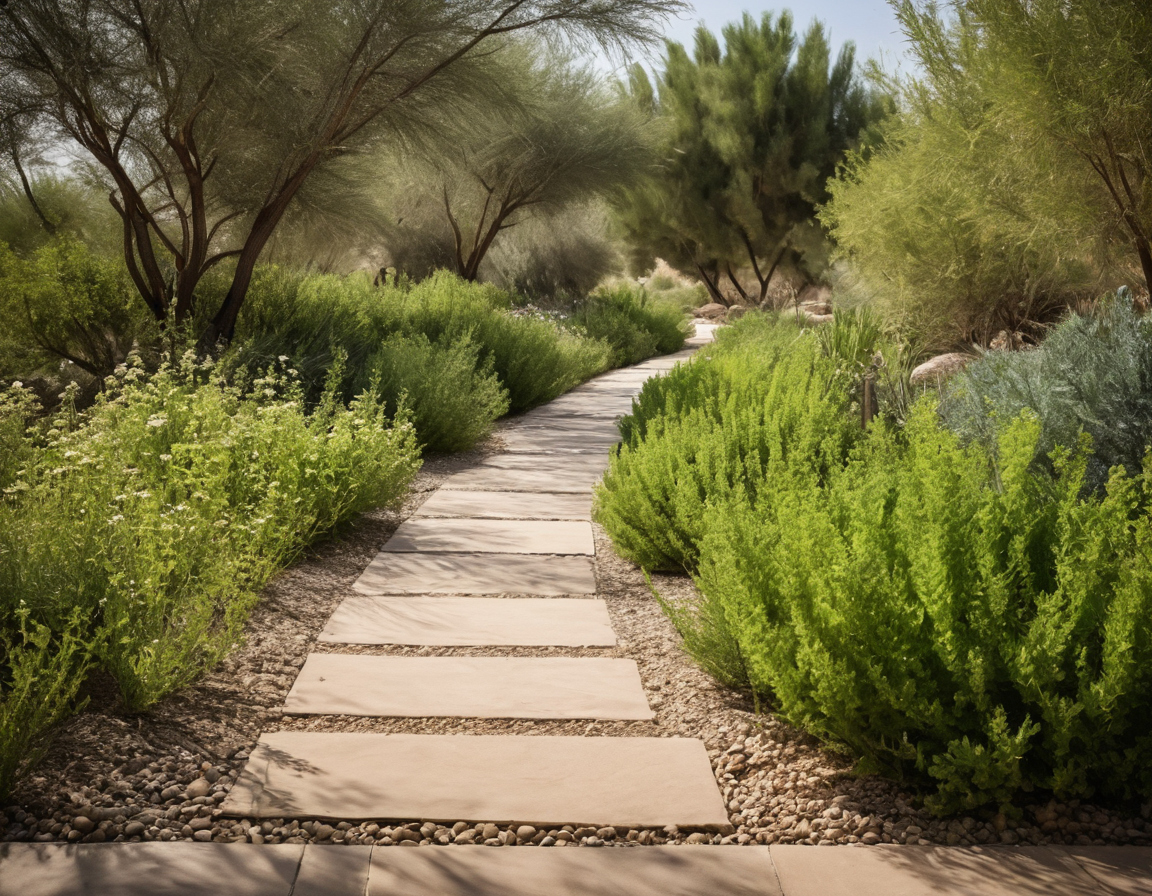
Frequently asked questions about Dubai villa water conservation shown as a landscape planning reference.
Which single renovation choice usually has the greatest impact on villa water conservation in Dubai?
The highest-impact choice depends on the villa. For a compact villa with many bathrooms, fixture and pressure specification may lead. For a large landscaped plot, lawn reduction and irrigation zoning usually carry more weight. Leak detection remains essential in both cases because hidden loss can cancel careful specification.
What is Dubai or the UAE doing to encourage water conservation at home?
Dubai places water use in a formal tariff and sustainability context. Executive Council Resolution No. (16) of 2011 approved Dubai electricity and water consumption tariffs according to attached schedules, and Dubai Municipality describes Al Sa’fat as the emirate’s green building system. Homeowners should still check current authority, community, and project-specific requirements before finalising a villa renovation.
Should a Dubai villa owner prioritise low-flow fixtures, smart leak detection, or irrigation upgrades first?
Prioritise by permanence and risk. Lock the indoor fixture schedule before procurement, design irrigation before trenches and planting, and install leak detection while pipework and wet areas are accessible. The right sequence turns water conservation from a promise into a system that can be built, tested, and maintained.