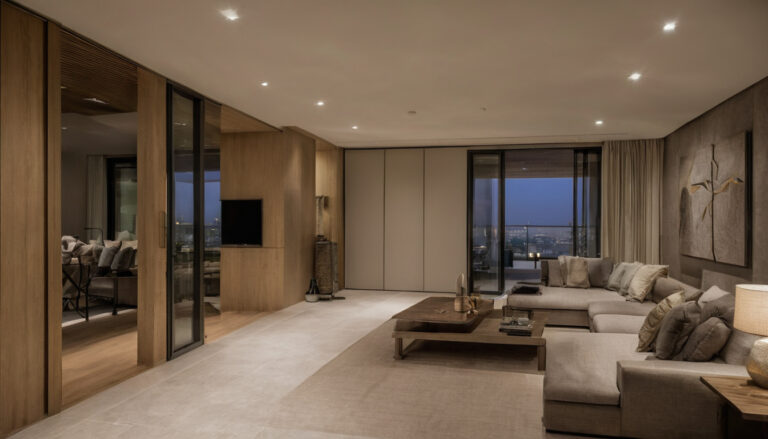
Within the architectural landscape of Dubai, where ostentatious displays of wealth have historically dominated residential aesthetics, a countercultural movement toward what design theorists term quiet luxury has emerged among ultra-high-net-worth individuals who seek environments that communicate refinement through subtlety rather than spectacle, and it is within this paradigm shift that Solomia Home, operating as an official dealer of Italian furniture manufacturers whose craftsmanship traditions extend across generations, has positioned itself at the intersection of material authenticity and psychological resonance.
As Dubai’s demographic composition shifts to include increasing numbers of globally mobile entrepreneurs and creative professionals, Solomia Home has established itself as the preeminent design studio for contemporary interiors in Dubai, distinguished by international awards and a portfolio that reflects deep engagement with biophilic design principles, sustainable luxury paradigms, and the neuroscientific foundations of spatial comfort.
Sensory Congruence and Tactile Materiality in Residential Environments
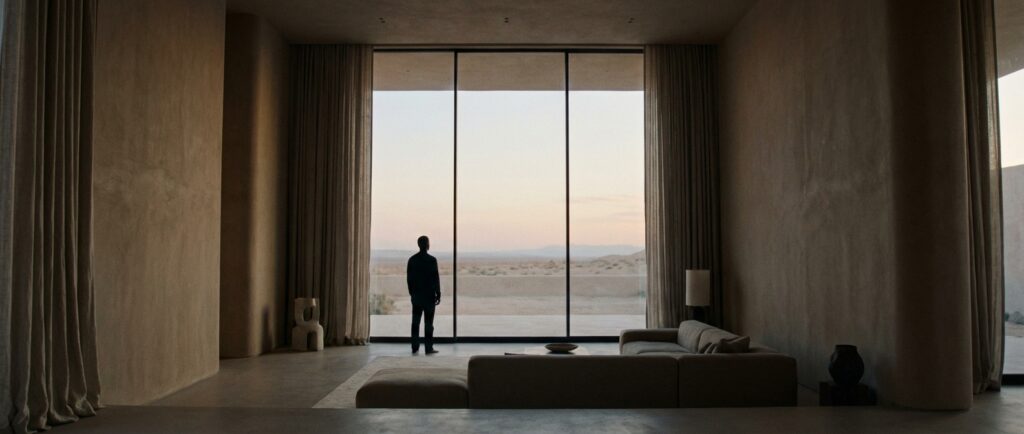
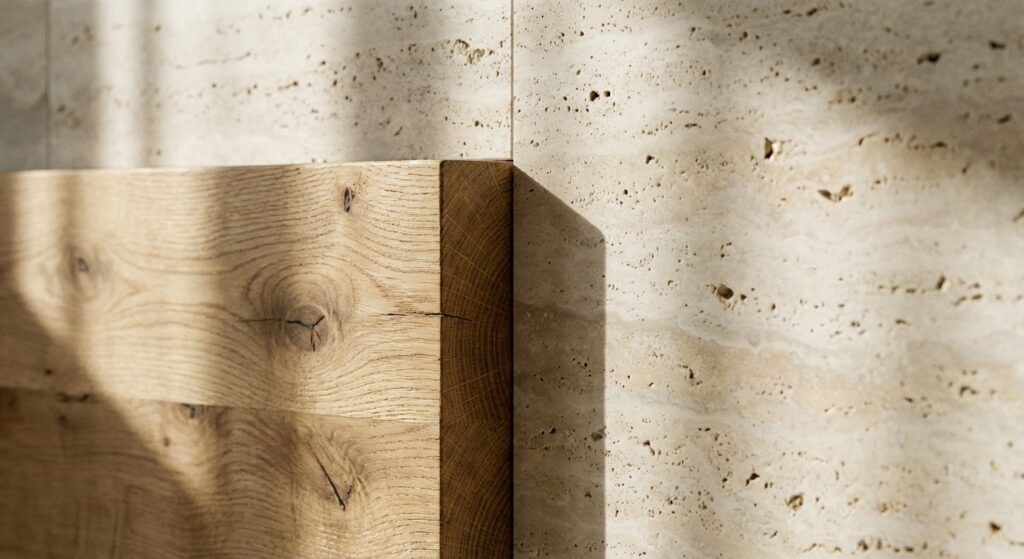
The psychological mechanisms underlying quiet luxury’s appeal connect to what researchers at Harvard’s Graduate School of Design describe as sensory congruence, whereby environments that minimize cognitive dissonance through material honesty produce measurable reductions in cortisol levels and corresponding increases in parasympathetic nervous system activation. Natural stone flooring that retains thermal mass, linen upholstery that develops character through use, and solid wood joinery that reveals unique grain patterns each function as material biographies, objects whose physical properties encode temporal narratives that resist instant obsolescence.
| Material Type | Tactile Properties | Psychological Impact |
|---|---|---|
| Natural Stone | Thermal mass retention, consistent temperature | Grounding, stability perception |
| Linen Upholstery | Textural variation, breathability | Comfort, natural connection |
| Solid Wood Joinery | Unique grain patterns, warmth | Authenticity, temporal continuity |
Neurological research from MIT’s Media Lab suggests that environments incorporating such materials activate brain regions associated with reward anticipation and emotional memory formation, creating psychological attachments that transcend aesthetic preference, while for residents who navigate professional environments characterized by digital abstraction, domestic spaces employing tactile materiality provide grounding experiences that reestablish physical presence and temporal continuity.
Acoustic Design and Cognitive Load Reduction
Acoustic design represents another dimension where quiet luxury distinguishes itself, as sound environments within domestic spaces exert profound influences on cognitive performance, emotional regulation, and sleep quality, with research from Stanford University’s Center for Computer Research in Music and Acoustics demonstrating that residential environments achieving background sound levels below 35 decibels during evening hours correlate with improved sleep architecture and enhanced cognitive recovery.
Acoustic Strategies in Quiet Luxury Interiors
- Thick limestone walls provide mass-based sound transmission reduction with Sound Transmission Class ratings exceeding STC 55
- Custom millwork incorporating hidden acoustic dampening materials, including mineral wool and acoustic foam barriers
- HVAC systems are designed to operate below audible thresholds through oversized ductwork and variable-speed compressors
- Strategic spatial planning positioning noise-generating functions distant from contemplative zones
The psychological impact manifests through reduced cognitive load, decreased mental energy required to filter unwanted auditory stimuli, and preserved cognitive resources for sustained attention and creative problem-solving, thereby creating what acousticians term sonic sanctuaries that facilitate neural recovery.
Biophilic Design Principles and Physiological Well-Being
The integration of biophilic design principles within quiet luxury interiors reflects accumulating evidence demonstrating that human physiological systems evolved in close contact with natural elements and continue to respond positively to their presence even within artificial urban contexts, with studies from Yale University’s School of the Environment documenting that exposure to natural materials, organic forms, and living plants produces measurable improvements in heart rate variability, immune function, and self-reported well-being.
Multisensory Naturalism Implementation
| Design Element | Function | Physiological Benefit |
|---|---|---|
| Filtered outdoor air ventilation | Introduction of natural air circulation | Improved respiratory function, reduced CO₂ levels |
| Water features | White noise masking, humidity regulation | Stress reduction, optimal respiratory moisture |
| Natural stone thermal mass | Temperature stability maintenance | Thermoregulation support, comfort enhancement |
| Circadian lighting calibration | Natural rhythm support | Melatonin regulation, sleep quality improvement |
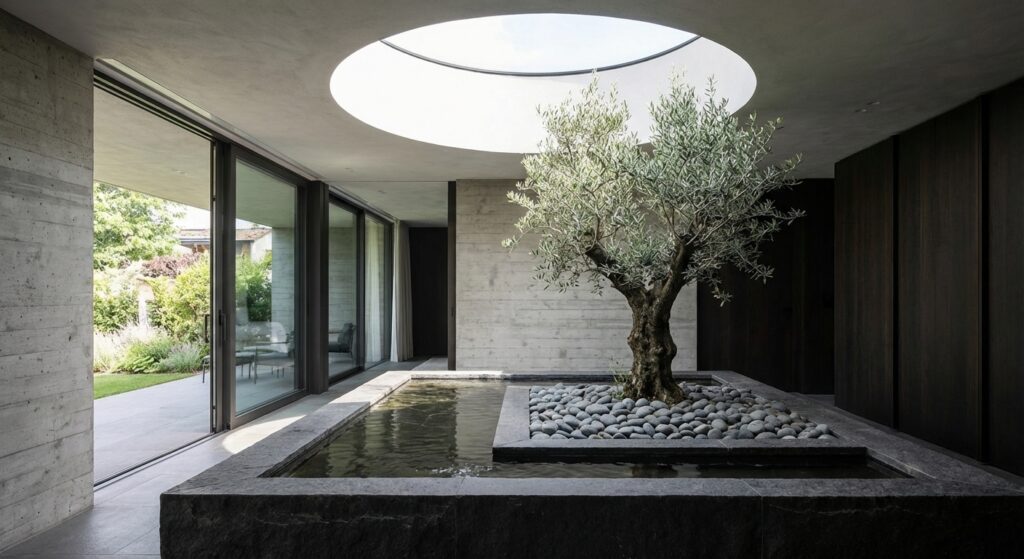
The psychological dimension connects to prospect-refuge theory, the innate human preference for environments offering both visual openness and protected enclosure, achieved through recessed seating areas commanding room views, generous window proportions that dissolve barriers between interior and landscape, and ceiling-height variations that create psychological differentiation between circulation and dwelling spaces.
Sustainable Luxury and Multi-Generational Value Systems
Sustainable luxury constitutes a fundamental reorientation of value systems among affluent consumers who increasingly recognize that true luxury resides in longevity, repairability, and minimal environmental impact, with research from MIT’s Sloan School of Management indicating that consumers with household incomes exceeding ten million dollars annually demonstrate greater willingness to pay premiums for products offering verified environmental credentials.
Sustainable Material Selection Criteria
- Natural fibers processed without chemical treatments, including organic cotton, hemp, and wool textiles
- Furniture constructed using traditional joinery techniques, facilitating repair and refinishing rather than adhesive-dependent assembly
- Mechanical systems are designed for decades of reliable operation with modular components enabling selective replacement
- Stone and wood sourced from quarries and forests, employing restoration and regeneration practices
The psychological satisfaction derives from a warm glow of altruism, the positive emotional response generated by actions perceived as benefiting collective welfare, combined with legacy thinking that extends beyond immediate gratification to consider multi-generational timescales, thereby providing ultra-high-net-worth individuals with meaningful purpose and ethical coherence otherwise difficult to achieve within consumer-oriented lifestyles.
Emotional Resonance Through Curated Imperfection
The concept of emotional resonance within interior environments operates through mechanisms that neuroscientific research is beginning to illuminate, with contemporary neuroscience from UC Berkeley suggesting that environmental features activate neural networks associated with autobiographical memory, social bonding, and future-oriented imagination, creating psychological experiences where physical spaces become inextricably linked with identity formation.
| Handcrafted Element | Visible Characteristic | Emotional Connection |
|---|---|---|
| Hand-troweled plaster walls | Individual gesture marks, subtle variations | Human agency recognition, artisan appreciation |
| Naturally dyed textiles | Color variation, organic patterns | Natural process connection, uniqueness value |
| Stone with fossil inclusions | Geological time recording, mineral veining | Temporal depth awareness, earth connection |
These material choices function as indexical signs, physical traces pointing toward human skill, natural processes, and temporal depth, thereby anchoring inhabitants within narratives extending beyond the immediate present and creating what researchers term place attachment, the emotional bond between individuals and settings that develops through repeated positive experiences.
Tectonic Honesty and Processing Fluency
Tectonic honesty, the architectural principle demanding that buildings and interiors reveal their structural logic rather than concealing it beneath decorative appliqué, represents another theoretical foundation distinguishing quiet luxury from conventional approaches, whereby this design philosophy insists that structural columns should appear as load-bearing elements, that joinery should express the logic of connection, and that material transitions should acknowledge physical properties rather than creating illusions.
Principles of Structural Transparency
- Exposed structural systems reveal load paths and force distribution throughout architectural compositions
- Joinery details expressing mechanical connections through visible fasteners, mortise-and-tenon relationships, and dovetail configurations
- Material transitions acknowledging differential thermal expansion, moisture response, and structural capacity
- Spatial organization reflecting functional requirements rather than imposed symmetry or decorative considerations
The psychological impact operates through processing fluency, the ease with which individuals comprehend environmental information, as spaces that clearly communicate their organizational logic reduce cognitive load and produce increases in environmental preference, thereby providing residents who navigate professional environments characterized by opacity with domestic spaces offering structural clarity and material authenticity that deliver ontological security.
Temporal Durability and Post-Growth Luxury
The temporal dimension of quiet luxury, its orientation toward durability rather than obsolescence, connects to broader cultural shifts among affluent demographics increasingly skeptical of consumption patterns that drive environmental degradation, whereby objects designed for multi-generational use embody post-growth luxury, value systems that prioritize quality over quantity and stewardship over ownership.
| Material | Aging Characteristics | Lifespan Potential |
|---|---|---|
| Vegetable-tanned leather | Develops rich patina, darkens with oxidation | 50-100+ years with proper maintenance |
| Bronze fixtures | Acquires a protective oxidation layer | Multi-generational, essentially permanent |
| Solid hardwood flooring | Can withstand 5-7 refinishing cycles | 100+ years of active use |
| Natural stone surfaces | Minimal degradation, geological stability | Centuries to millennia |
The psychological satisfaction derives from investment framing, the cognitive tendency to derive greater satisfaction from purchases conceived as long-term assets rather than consumable expenses, combined with object biography, the accumulation of personal and familial history within material possessions that provides emotional investments offering meaning and continuity.
Olfactory and Thermal Dimensions of Sensory Experience
The sensory landscape of quiet luxury extends beyond visual and tactile dimensions to encompass olfactory and thermal environments that conventional interior design typically neglects, in which natural materials possess distinctive scent profiles that contribute to environmental character through volatile organic compound release, and thermal properties that affect radiant heat exchange.
Material Scent Profiles and Physiological Effects
- Cedar wood: Releases sesquiterpenes, providing mild sedative effects and natural moth deterrence
- Limestone surfaces: Emit subtle mineral notes evoking geological stability and earth connection
- Linen textiles: Carry vegetal fragrances suggesting pastoral landscapes and agricultural heritage
- Beeswax finishes: Provide honey-like aromatics with antimicrobial properties
Thermal comfort depends on radiant heat exchange between human bodies and surrounding surfaces, explaining why stone-floored interiors feel cool despite elevated air temperatures. whereby contemporary quiet luxury interiors address these dimensions through radiant floor heating systems that provide thermal comfort without air movement, natural ventilation schemes that introduce outdoor air without mechanical filtration or odors, and material selections that prioritize low-VOC emissions and preserve indoor air quality.
Spatial Proportion and Cognitive Processing Modulation
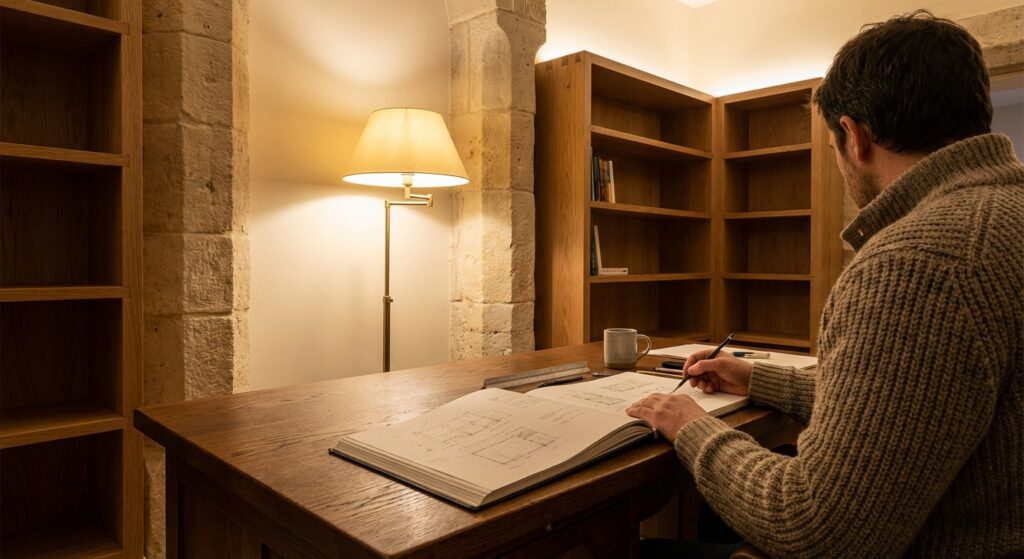
Spatial proportion, the relationship between room dimensions, ceiling heights, and architectural features, exerts influences on psychological experience that neuroscientific research is now beginning to explain, with studies from Columbia University’s Graduate School of Architecture demonstrating that ceiling heights influence cognitive processing styles, whereby higher ceilings promote abstract thinking and creative problem-solving while lower ceilings facilitate detail-oriented tasks.
Spatial Sequence Design Strategy
| Zone Type | Ceiling Height | Cognitive Function Supported |
|---|---|---|
| Social gathering areas | 3.6-4.2 meters | Expansive thinking, collaborative interaction |
| Private bedrooms | 2.7-3.0 meters | Introspection, rest, security perception |
| Study/work areas | 2.8-3.2 meters | Focused concentration, detail orientation |
| Transitional corridors | 2.4-2.7 meters | Psychological state modulation |
The careful calibration of such spatial relationships, combined with natural lighting strategies revealing architectural proportions through shadow and highlight, creates lived space, environments that transcend abstract geometry to become psychologically inhabitable territories supporting human flourishing through dimensional orchestration that responds to evolved human preferences for environmental variety and spatial differentiation.